About Us

Our Goals

Our aim was to create a place where the past meets the present and enduring values meet new ideas. By building and sustaining a collaborative community, we create new possibilities and work to the highest professional standards.

Creating a welcoming, homelike environment was equally important to us—a place where children and adults alike can feel at ease, and where generations can meet and connect with one another. Another of our goals is to continue our outreach work in schools, social care settings, various institutions, and child and adolescent psychiatric wards. This work is supported by the Pro Juventa Foundation.

Attentiveness, presence and collaborative thinking form the foundation of our work together.

10+
Years of Professional Experience
4+
fő szakterület
5
Response Within 5 Business Days
1
Safe Space

Our Approach to Working Together

Our Departments

MURMO’s professionals work in several closely connected departments, collaborating to provide diagnostic, therapeutic, developmental, and professional support services.
Diagnostic Team Comprehensive Multidisciplinary Assessment for Children and Young People
At MURMO, our diagnostic work is centred on gaining the most accurate, personalised, and comprehensive understanding of every child and young person who comes to us. We look beyond symptoms to consider each individual's life circumstances, developmental history, and relational context. Our multidisciplinary team includes clinical psychologists, a child and adolescent psychiatrist, a neuropsychologist, an art therapist, and a special education professional. Assessments are carried out collaboratively, supported by regular interdisciplinary case discussions. Our comprehensive assessment process may include differential diagnosis as well as ADHD- and autism-specific assessment protocols. Every assessment concludes with a detailed written clinical report, which is presented and discussed with parents during a personal consultation. We believe that a diagnosis should mark the beginning of a supportive journey rather than its end. For this reason, every assessment is accompanied by clear professional recommendations and, whenever possible, guidance towards appropriate services and ongoing care within our network.
Head of the Department: Diána Horváth Deputy Head of the Department: Judit Jantner
Child and Adolescent Psychiatry Therapy Team Long-Term, Comprehensive Therapy Programmes for Children, Adolescents, and Their Families
The Lotilko Programme is one of MURMO's longest-running and core child and adolescent psychiatry programmes. It was developed with the support of the Egészséges Lelkű Ifjúságért – Pro Juventa Foundation to provide specialised care for children, adolescents, and their families living with chronic and severe mental health difficulties. The programme offers comprehensive, long-term, and systemic support over a period of twelve months. Individual psychotherapy, group work, collaboration with parents, and art therapy are integrated into a cohesive therapeutic approach, with each element reinforcing the others. The therapeutic programme is organised into two age-specific units and combines the principles and methods of MBT-A (Mentalization-Based Treatment for Adolescents), skills training, and TFP-A (Transference-Focused Psychotherapy for Adolescents) to provide developmentally appropriate, evidence-informed care.

Lotilko, Varázsdoboz & Szabad Kikötő Department

Ages 9–14 The ages of 9 to 14 represent a critical stage in emotional development and identity formation. During this period, early intervention can help prevent the development of more severe personality and mood disorders. In our comprehensive, age-specific therapeutic work and group sessions, we combine verbal and non-verbal approaches, including art therapy methods. Particular attention is given to developing awareness of emotional regulation, impulsivity, and relational patterns. Strengthening these skills can serve as an important long-term protective factor for the child.
Leader: Júlia Veres Deputy Head of the Department: Eszter Forgács

Lotilko Grund and Kilátó Department

Ages 14–18 In the 14–18 age group, we work with more clearly emerging personality and mood disorders. Where needed, we place particular emphasis on preparing a carefully planned transition to adult mental health services, as well as addressing the individual and family challenges associated with increasing independence and separation. We work proactively to ensure that young people do not lose access to care when they reach adulthood and that continuity of the support they need can be maintained.
Leader: Dr. Mária Sonnevend Deputy Head of the Department: Zsigmond Orsolya
Group Therapy Services Department Therapeutic, Developmental, Preventive, and Parent Groups
Group therapy and developmental group work are among the cornerstones of MURMO's clinical practice. International research consistently demonstrates that group psychotherapy can lead to significant improvements in the mental health, behavioural functioning, and social development of children and adolescents. In our work, we place particular emphasis on expanding access to group therapy, especially for adolescents. This therapeutic format responds well to their social and emotional developmental needs and can serve as an important bridge between childhood and adulthood. At MURMO, our group-based services are organised into four complementary areas, all guided by the principles of the ARTÉZI approach.

1. Therapy Groups

Our child and adolescent psychiatry therapy groups—including the Lotilko Programme's Varázsdoboz, Szabad Kikötő, Grund, and Kilátó groups—provide a structured, long-term therapeutic framework for children and adolescents living with severe and chronic mental health difficulties. Group therapy is not intended to replace individual psychotherapy but to complement it. The relational dynamics that emerge within the group create unique therapeutic opportunities and insights that are not always accessible in an individual therapeutic setting.

2. Developmental and Social Skills Groups

Some of our groups—including Konnekt, Kis Konnekt, Nagykonnekt, Macskák, Kidoboló, and SZOKOM—are designed for neurodivergent children, providing support in social communication, emotional regulation, and community participation. These groups combine developmental and therapeutic approaches. Within a safe, professionally facilitated peer environment, children gain valuable social learning experiences that are difficult to recreate in other settings.

3. Prevention Groups

Some of our groups—including Ebcsont, Vakkantó, and Koktit—are specifically designed as preventive programmes. They provide support for children and adolescents whose risk factors have already been identified but who have not yet developed severe clinical symptoms. Research shows that interventions strengthening parents' emotional well-being and coping strategies can lead to better academic, behavioural, and social outcomes for children. For this reason, our prevention groups are complemented by dedicated parent support components whenever appropriate.

4. Parent Groups and Parent Education

Group work with parents—including the MBT-I Psychoeducational Parent Group, the Reflective Parent Group, and ADHD and ASD Parent Education—is a central element of MURMO's therapeutic approach. Our psychoeducational group programmes for parents help foster a more positive emotional climate within the parent–child relationship. They can strengthen parental warmth and acceptance while reducing critical attitudes, supporting healthier family relationships and children's overall development.
Leader: Petra Kovács Deputy Head of the Department: Erika Pap
Neurodevelopmental Team Assessment and Personalised Support for Neurodivergent Children
A significant proportion of the children and adolescents receiving care at MURMO present with underlying neurodevelopmental differences. These may include Autism Spectrum Disorder (ASD), Attention-Deficit/Hyperactivity Disorder (ADHD), as well as the co-occurrence of these conditions with other developmental or emotional difficulties. Over the past several years, we have seen these challenges become an increasingly important part of the lives of the children and families who come to us. In response, we established our Neurodevelopmental Team, which we continue to develop in order to provide comprehensive, specialised, and personalised support.

What Does the Team Do?

The Neurodevelopmental Team is not solely focused on assessment, although our diagnostic process is comprehensive and multidisciplinary. Its primary goal is to ensure that, following diagnosis, every child and family receives a personalised pathway of care tailored to their individual needs. Respecting the principles of neurodiversity, we offer a wide range of services and support options, including:
  • Individual psychotherapy
  • Art therapy and non-verbal therapeutic approaches
  • Social communication groups, such as SZOKOM
  • ASD-specific groups for adolescents, such as Konnekt
  • ADHD groups, such as Kidoboló and RGM
  • Learning skills support, such as Tan-tech
  • Parent psychoeducation groups
  • Professionally facilitated therapeutic camps

What Makes This Approach Unique?

Our team brings together clinical psychologists, special education professionals, neuropsychologists, and art therapists, working collaboratively to provide integrated and personalised care. One of our core principles is that neurodiversity is not, in itself, a disorder. However, the way a neurodivergent child learns, builds relationships, experiences emotions, and navigates the world may require specialised understanding and targeted support. Whenever possible, we complement our group-based services with individual therapeutic support, ensuring that each child's needs are addressed in a comprehensive and personalised way. Parental involvement is also an integral part of our work. Through psychoeducation, consultations, and parent groups, we support families in understanding and responding to their child's unique strengths and challenges.
Leader: Orsolya Dancsó Deputy Head of the Department: Borbála Koltai
Mentor Program Professional Onboarding and Ongoing Support for New MURMO Team Members
New colleagues joining MURMO require specialised professional support. Although they typically arrive with experience gained in other settings, the work we do—including the long-term therapeutic support of people living with personality disorders or autism spectrum conditions, as well as families facing severe and complex circumstances—together with MURMO’s distinctive way of working as a team, creates a professional environment that cannot be fully understood or mastered overnight, or solely through knowledge acquired elsewhere. The mentoring programme is designed to support safe professional integration, provide a structured introduction to the organisation and its systems, and foster continuous professional development.

Key Functions of the Programme

Transparent Quality Assurance and Shared Responsibility The process includes an open and transparent system of professional oversight. We monitor the work together and address any difficulties collaboratively. This level of close support is gradually reduced after the initial period. During their first months, new colleagues are not expected to carry sole responsibility for challenging correspondence, consultations, or professional decisions. An experienced team member is always available in the background to follow the case and provide support.
Professional Development Opportunity Although a wide range of support is available through teamwork, the intensive weekly case discussions, review of theoretical frameworks, and shared reflection provide exceptional opportunities for professional growth. These sessions create time and space to engage with professional topics that may not always receive sufficient attention in the everyday work of other institutions.
Safety and Protection The programme aims to create a safe environment where new colleagues feel able to ask questions, speak openly, and are not left to face demanding situations alone. In addition to safeguarding professional standards, this collaborative way of working also protects and supports the staff member.
A Professional and Supportive Community New colleagues who join MURMO at around the same time often develop close professional and personal connections throughout the process. Alongside sharing challenges, the collaborative work also creates space for informal and enjoyable moments. Later on, participants continue to meet as familiar colleagues in MURMO’s other professional settings, which is especially valuable within a team of this size.
Leader: Zsófia Csáky-Pallavicini

Get in Touch

If you have any questions or would like to arrange an appointment, please get in touch with us.

Our Services

Explore the individual and group therapy options available at Murmo.
Why MURMO

Murmo’s Expert Psychotherapy Team

We would like to share a few thoughts about the work of our expert team.
A psychotherapy expert team brings together professionals who work collaboratively to provide comprehensive support for people experiencing psychological difficulties. When we work well together, we are much like a finely tuned orchestra: each instrument—the individual professional—contributes its own melody and area of expertise, while the result is a harmonious whole that supports the client’s recovery. Like an orchestra, our team changes slightly from year to year, yet continues to function as one cohesive unit.

Social and Professional Responsibility

The Pro Juventa Foundation, with its 30-year history, forms the foundation of the commitments behind the MURMO Centre for Clinical Psychology and Art Therapy. We believe that access to mental health care for children and adolescents should not be a privilege, but an opportunity available to everyone.

In this spirit, our team regularly provides pro bono services, offering free or reduced-fee care to families and young people who might otherwise be unable to access professional psychological support due to their financial circumstances. We know that the most severe crises do not discriminate according to social background, which is why we strive to keep our doors open even when the wider system creates barriers.


We approach our own professional development with the same level of commitment. Our team members actively participate in international training programmes and collaborative projects, undertake MBT-A and TFP-A supervision, work continuously with leading representatives of these methods, represent the Hungarian clinical community at conferences, and integrate the latest research findings into their everyday practice.

We do not keep what we learn to ourselves. We organise training courses for professionals and develop awareness-raising programmes for teachers and parents, because we are convinced that promoting a culture of mentalization is a responsibility shared across society.


Our goal is to maintain a professional environment where high standards and broad accessibility support one another rather than exist in opposition.

Our Most Frequently Used Methods:

Child Psychodiagnostic Assessment


A psychological assessment for children, using individual tests and, where appropriate, a group diagnostic session to support the development of therapeutic recommendations.
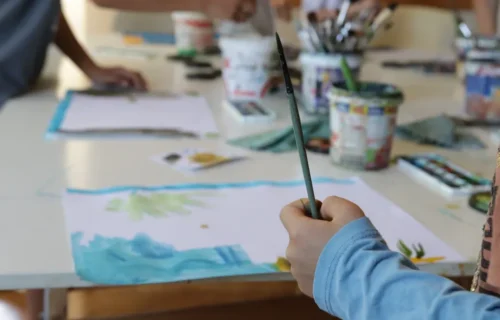
Child Psychodiagnostic Assessment

A comprehensive diagnostic assessment requires a minimum of five sessions. The exact length of the process depends on the difficulties and background information identified during the first one or two interviews.

During the assessment, we get to know the child or adolescent and carry out a range of psychological examinations.

At the end of the process, we determine whether therapy is recommended and, if so, which form would be most appropriate.

The diagnostic process may also include a group session attended by the children and two professionals.

This gives us an opportunity to observe and understand the child or adolescent in a group setting.

Diagnostic groups are held once a month and are organized according to age group.

Child and Adolescent Therapy


Child and adolescent therapy using age-appropriate, play-based or conversation-based methods.

Child and Adolescent Therapy

When therapy is recommended, we select age-appropriate tools and methods to find the most suitable way of connecting with the child or adolescent.

The aim of the therapeutic process is to work together to find a way forward from the difficult situation.

Therapy with younger children is primarily play-based, while conversation becomes increasingly important when working with adolescents.

Parent Guidance


Guidance for parents during their child’s therapy, offering opportunities to ask questions and receive feedback on the work being carried out with the child.

Parent Guidance

During the child’s therapy, we provide several opportunities for parents to ask questions.

During these consultations, parents can also receive feedback on the therapeutic work being carried out with their child.

Parent Consultation


Parent consultation for parenting questions, uncertain situations or difficulties experienced by parents, without involving the child in an assessment or therapy.

Parent Consultation

The consultation focuses on the child’s and, where relevant, the family’s difficulties without requiring the child to participate in therapy or an assessment.

We offer support and guidance with parenting concerns, uncertain situations and difficulties parents may encounter.

Adult Psychodiagnostic Assessment


Psychodiagnostic assessment for adults experiencing difficulties, feeling stuck or facing a challenging life situation.

Adult Psychodiagnostic Assessment

This service is intended for adults who are facing a difficulty or problem and feel stuck in a particular life situation.

The psychodiagnostic process includes an initial interview and the administration of various psychological tests.

Based on the results, we can jointly determine whether therapy may be needed to address the difficulty.

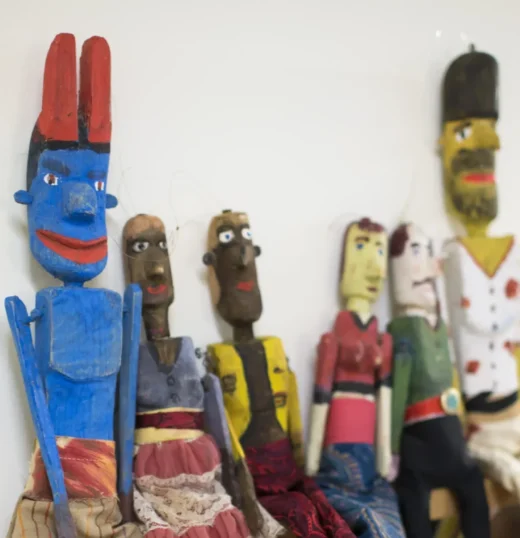
Adult Therapy


Individual therapy for adults experiencing personal difficulties, feeling stuck or facing relationship problems, using an approach suited to their needs.
Adult Therapy

Depending on the individual and the nature of the difficulty, we use cognitive behavioral therapy or psychoanalytically oriented therapy.

For certain difficulties—such as addictions, eating disorders or relationship problems—the involvement of family members may be essential.

In these situations, we also provide consultation and support for relatives, couples and families.

Family Therapy


Family therapy supports the understanding and development of family relationships, communication patterns and ways of functioning together.

Family Therapy

An individual’s difficulties and psychological concerns can often be understood more clearly and addressed more effectively when family members participate in therapy together.

During family therapy, the family’s structure, relationships, interactions and communication patterns become more visible and understandable.

Where necessary, these patterns can then be changed.

By building on the family’s existing strengths and resources, the therapists actively support the changes needed.

The aim is to restore balance within the family, move away from ineffective patterns and develop new relationships and behaviors that support emotional well-being.
Group Therapy


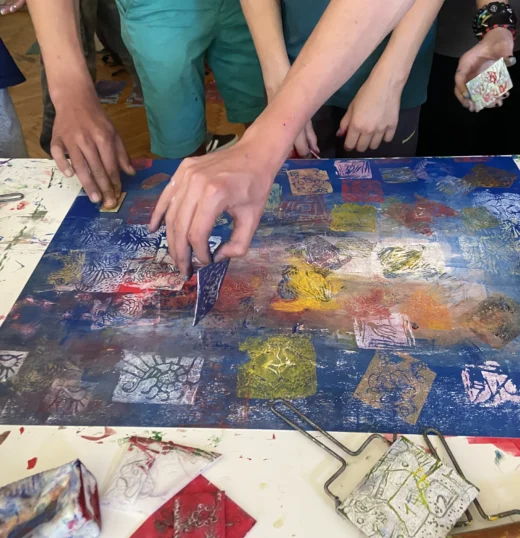
Group therapy for children and adolescents, where they can develop relationship, communication, and conflict-resolution skills with the support of peers and professionals.

Group Therapy

A csoportterápia egy speciális, biztonságos közeg, ahol a gyermekek vagy serdülők hasonló élethelyzetben lévő kortársaikkal találkozhatnak.

A csoport egyfajta „miniatűr társadalom”. A gyermekek a foglalkozások során sokszor hasonlóan kezdenek működni, mint a való életben, például az iskolában vagy a családban.

Ez lehetőséget ad arra, hogy a szakemberek segítségével élő helyzetekben értsék meg és alakítsák át a nehézséget okozó viselkedési és kapcsolati mintákat.

A szülők gyakran tapasztalják, hogy gyermekük elszigetelődik a problémájával. A csoportban a fiatalok megtapasztalhatják, hogy nincsenek egyedül a szorongásaikkal, kudarcaikkal vagy elakadásaikkal, ami önmagában is jelentős megkönnyebbülést és erőt adhat.

A résztvevők nemcsak a terapeutáktól, hanem egymástól is tanulnak. Megtapasztalják a visszajelzések erejét, miközben fejlődik az érzelmi intelligenciájuk, kommunikációjuk és konfliktuskezelési készségük.

A csoportterápia nem csupán egyéni beszélgetések sorozata, hanem a csoport egészének közös ereje, amely megtartja, támogatja és segíti a gyermekeket a magabiztosabb mindennapok felé vezető úton.

Counseling


Counseling for challenging life situations, crises, family or relationship problems and difficulties with decision-making.

Counseling

Long-term therapy is not always necessary when someone feels stuck in a particular life situation.

In such cases, it may be enough for a psychologically healthy person to receive support in strengthening their decision-making abilities, recognizing their roles in life and managing them effectively.

Counseling can help people adapt to change, manage crises or difficult situations more effectively and reduce internal tension.

Counseling may be recommended during certain crises, family or relationship difficulties, challenges in managing everyday life, workplace or career decisions, or during a period of rehabilitation.

Counseling can provide support for both individuals and groups.

Neuropsychological Assessment


Neuropsychological assessment for children aged six months to eighteen years, focusing on the evaluation and support of cognitive functions.

Neuropsychological Assessment

Clinical neuropsychology works in close collaboration with neurology and focuses on the assessment and therapeutic support of cognitive functions.

These include perception, attention, executive functions, memory, language, writing, reading and numeracy.

Neuropsychological work supports the identification and therapeutic treatment of both congenital and acquired difficulties.

At our center, we work with children from six months to eighteen years of age and with their families.

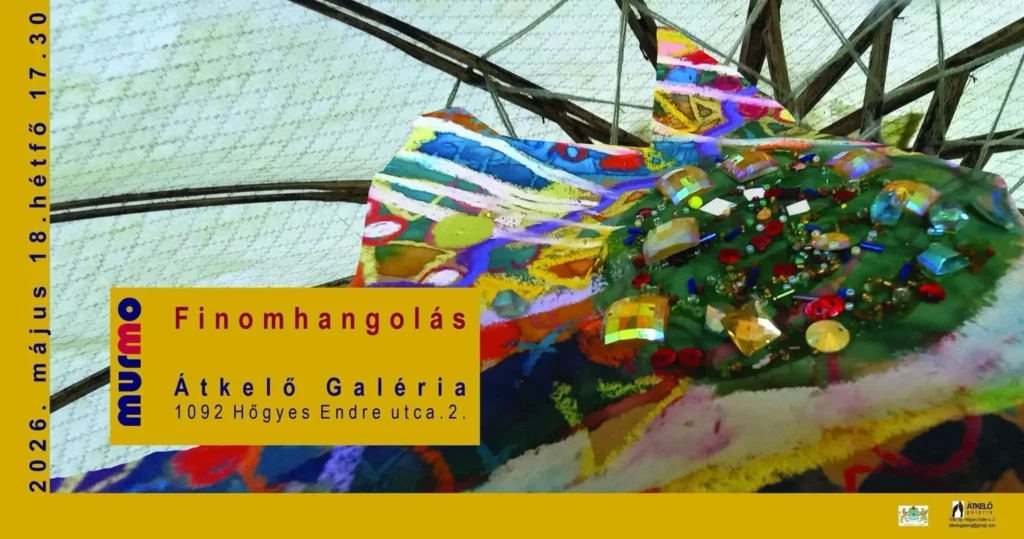
FINE-TUNING

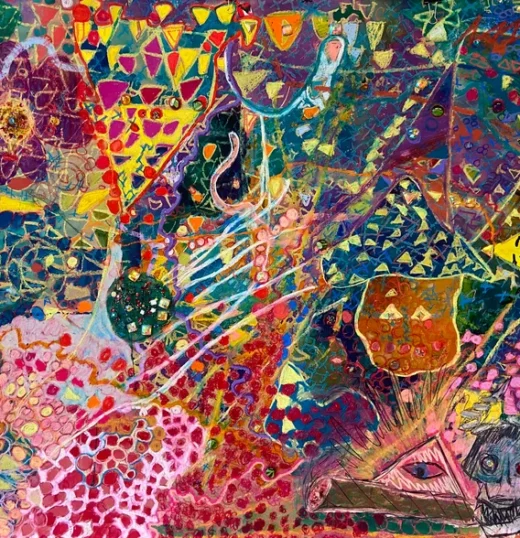
A Finomhangolás című kiállításunkat, amely a MURMO Szakpszichológiai és Művészetterápiás Központ csoportos és egyéni terápiás munkáiba kínál bepillantást, évente rendezzük meg. A nonverbális kifejezés erejét mutatják be azok a képek, amelyek diagnosztikai és terápiás felhasználással születtek - egyéni élethelyzetek,csoportdinamikák, érzelmi és tartalmi vetületek kerülnek felszínre rajtuk keresztül.